
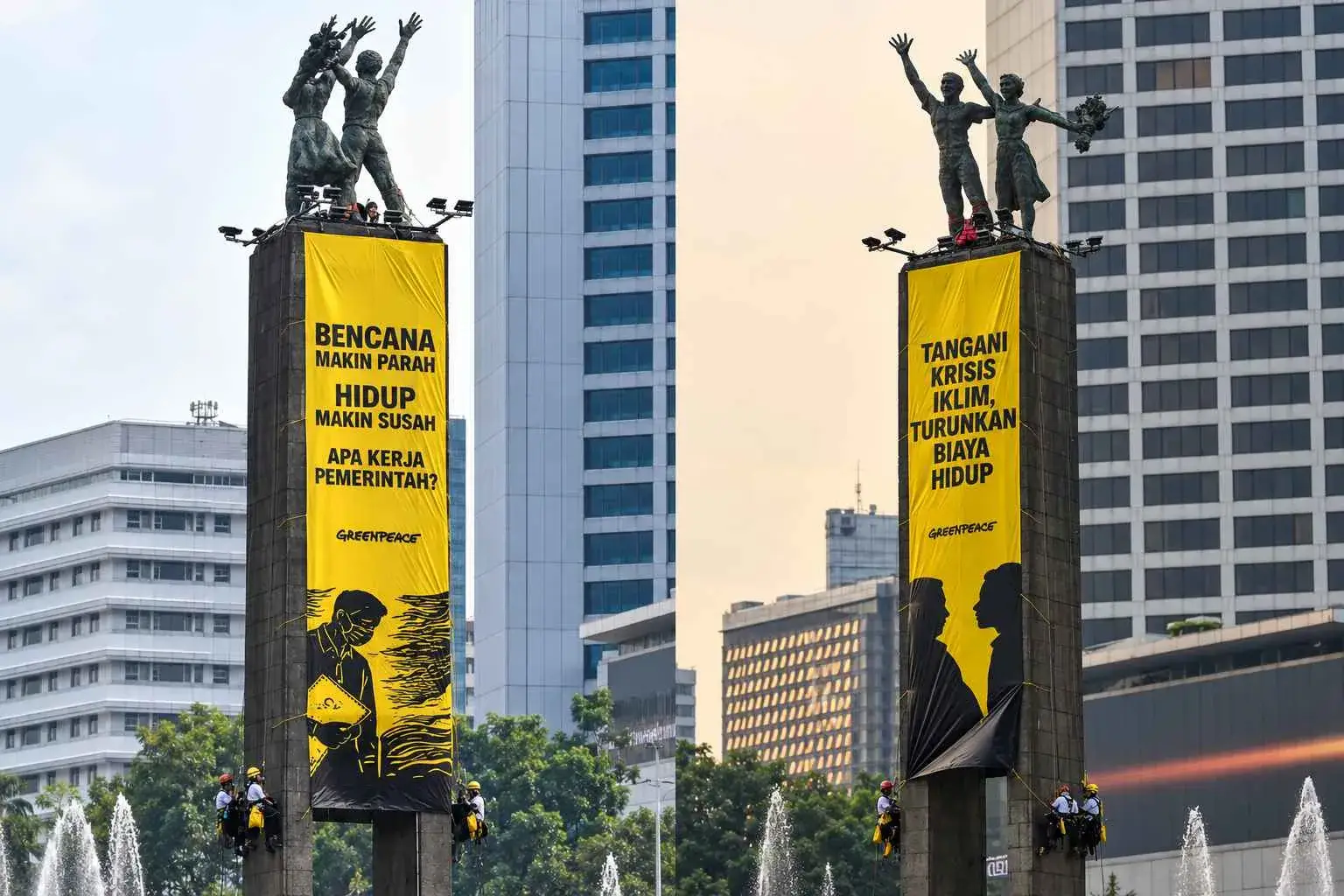
Spy Games for the Elite, Survival Games for the People
Welcome to Indonesia, where no phone seems safe and no salary seems to last! While political elites worry about surveillance and intercepted conversations, ordinary Indonesians face a bigger mystery: disappearing income swallowed by taxes, fuel and grocery bills. Perhaps we need an intelligence agency to track vanishing purchasing power!
In Indonesia, everyone seems to be watching somebody. The President is allegedly being watched, senior police officers are being investigated, and Jakarta’s political elite are busy figuring out who is listening to whom. Meanwhile, ordinary Indonesians are watching the prices of rice, cooking oil, fuel and electricity climb beyond their reach. The elite are worried about their phones being tapped; the people are worried about their wallets being emptied. In Jakarta, they are playing spy games. Across Indonesia, the people are playing survival games. The only difference? The elite are afraid someone is listening, while the people are screaming—and nobody seems to hear them!
If even the President cannot be certain that his telephone conversations are private, what hope does an ordinary citizen have? Perhaps Indonesians should return to handwritten letters delivered by bicycle. Although, given the current atmosphere, somebody might eventually investigate the bicycle too!
Behind the humour, however, lies a serious question about institutional accountability. If the allegations are proven, the misuse of surveillance capabilities would represent a serious breach of public trust. Those responsible must be held accountable through a transparent and lawful process.
But while Jakarta is occupied with its political drama, the rest of Indonesia has more immediate concerns.
Floods threaten communities, earthquakes affect Flores, and thousands of detected forest-fire hotspots demand attention. The rupiah faces pressure, the stock market experiences volatility, and families struggle with increasingly expensive necessities.
While political elites are busy figuring out who tapped whose telephone, millions of people are trying to figure out how to make their salaries last until the end of the month.
Perhaps Indonesia has two national games: spy games for the elite and survival games for the people.
The government must investigate the surveillance allegations, but it must also remember that governing a country is not a part-time occupation.
If the President can allegedly be monitored, what protection do ordinary citizens have? Journalists must be able to investigate corruption, activists must be able to expose environmental destruction, and political opponents must be free to express criticism without fear of unlawful surveillance. Privacy and democratic freedoms cannot be privileges reserved for people with access to the presidential palace.
There is also a fundamental question: who watches the watchmen? Police institutions require authority to enforce the law, but that authority must be accompanied by effective oversight. Investigators must establish who authorized the alleged interception, who accessed the information, and whether it was misused. Replacing individuals without reforming institutional safeguards would be like changing the security guard while leaving the front door unlocked.
President Prabowo now has an opportunity to demonstrate genuine leadership. The investigation must be transparent, independent and free from political interference. Accountability must apply regardless of rank, influence or political connections.
But presidential security is only one part of the job. The people also need protection from economic hardship, environmental disasters and ineffective public services.
Forest fires cannot be extinguished with press conferences. Flood victims cannot build houses with political promises. And families cannot pay their grocery bills with explanations about institutional rivalries.
Perhaps the government should spend less time worrying about who is listening to whom and more time listening to what citizens are actually saying.
Indonesia needs effective disaster management, affordable food, economic stability, environmental protection and accountable public institutions. These are not unreasonable demands. They are the basic responsibilities of government.
Ultimately, the greatest irony is that Indonesians elected their leaders to watch over the people’s welfare, yet increasingly find themselves watching those leaders struggle with their own political problems.
The elite may have their spy games, but the people have real survival games. And unlike political intrigue, the consequences of losing are measured in livelihoods, homes, jobs and family security.
Enough political infighting. Investigate the alleged surveillance. Protect democracy. Put out the fires. Stabilize the economy. Make food affordable. And, for once, listen to the people.


Leave a Reply