

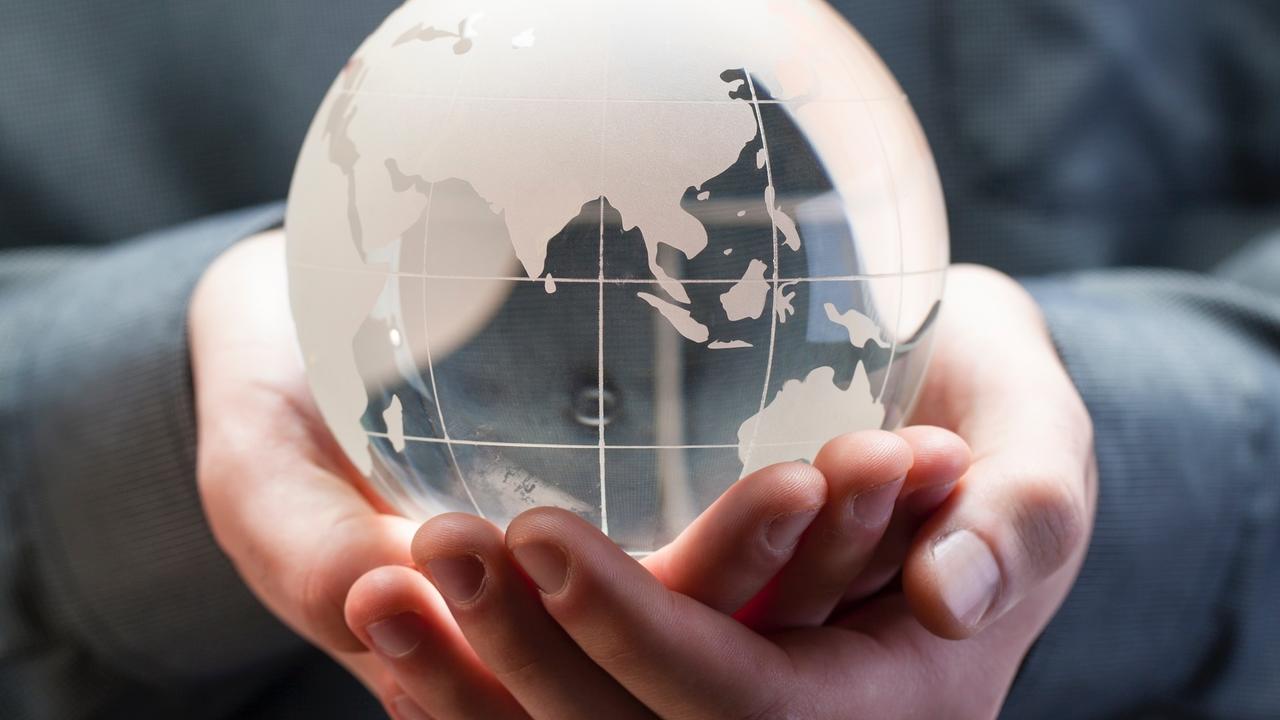
Today is Valentine’s Day, a celebration of love, unity, and compassion—values that should extend beyond personal relationships and into the way our world is led. However, in contrast to the ideals of this day, the world faces an unprecedented crisis in leadership. From economic instability to escalating conflicts, climate disasters, and social inequalities, current global leaders appear to be failing in their responsibilities. The mistakes of past administrations have already done significant damage, and now, instead of correcting them, today’s leaders seem to be making things even worse.
Global Conflicts and Instability
One of the most pressing concerns is the rise in conflicts across the world. War and political instability have reached alarming levels, with nations engaging in prolonged disputes that devastate economies and displace millions. Diplomatic efforts often appear weak, and international bodies struggle to enforce peace. Rather than working toward global unity—a principle that aligns with the love and harmony symbolized by Valentine’s Day—leaders seem more focused on nationalistic agendas, deepening divisions and fueling tensions.
For instance, Russian President Vladimir Putin’s invasion of Ukraine has led to devastating consequences for global stability, while Israeli Prime Minister Benjamin Netanyahu’s policies have further intensified conflicts in the Middle East. Meanwhile, other leaders like President Donald Trump continue to stoke division through controversial policies and rhetoric.
Economic Struggles and Inequality
Economic policies implemented by world leaders continue to favor the wealthy while leaving the middle and lower classes struggling. Inflation, stagnant wages, and a widening gap between the rich and poor are causing social unrest. Many governments have failed to implement effective strategies for economic growth that benefit everyone, and the consequences are evident in rising unemployment rates and an increasing number of people living in poverty.
Leaders such as Indonesian President Prabowo Subianto, who recently took office after Joko Widodo (Jokowi), have faced criticism for not addressing economic disparities effectively. While some of their policies aim at economic development, many citizens remain dissatisfied with job opportunities and wage growth. Additionally, Prabowo’s decision to downsize the national budget to focus on his free lunch policy has been met with skepticism, with critics arguing that it is an impractical allocation of resources that may further strain economic recovery efforts.
Climate Change Negligence
Despite overwhelming scientific evidence, world leaders have yet to take serious, unified action on climate change. Natural disasters are becoming more frequent and severe, yet policies to combat environmental destruction remain insufficient. Some leaders even roll back environmental protections for the sake of short-term economic gains, ignoring the long-term consequences that future generations will have to face.
For example, various global leaders, including those in major industrialized nations, have failed to commit fully to climate agreements or have weakened environmental policies in favor of business interests. Trump, during his presidency, withdrew from the Paris Agreement, setting a dangerous precedent for other leaders.
Lack of Ethics, Accountability, and Corruption
Another major issue is the lack of ethics, transparency, and accountability among world leaders. Many leaders abandon moral responsibility in favor of political convenience, making decisions that harm their people while benefiting a select few. Corruption runs rampant in many governments, with officials prioritizing personal gain over public welfare. Scandals, mismanagement, and broken promises have led to a growing distrust in leadership. Instead of serving their people, many leaders seem more interested in maintaining power and wealth at any cost.
Political figures like Putin, Netanyahu, and various leaders in developing nations have been accused of corruption or unethical practices. In Indonesia, questions about Prabowo’s past and political ambitions continue to raise concerns about accountability.
The Need for True Leadership
In a world where self-interest and power grabs dominate the political landscape, we must look toward leaders who embody true moral authority. One such figure is Pope Francis. His unwavering commitment to compassion, humility, and care for the marginalized provides a stark contrast to the divisive and self-serving tendencies of many world leaders today.
Pope Francis continuously advocates for global unity, environmental responsibility, and economic justice—principles that align with the true spirit of leadership. His messages of love and service remind us that governance should be about lifting people up, not consolidating power and wealth. While many leaders seek to divide, he works to heal; where others prioritize profits, he urges action for the planet and the poor.
Valentine’s Day reminds us of the power of love, not just in personal connections but also in leadership. Imagine a world where leaders ruled with empathy, where policies were made with the well-being of people at heart, and where nations collaborated instead of clashing. Love in leadership means prioritizing peace over war, people over profit, and sustainability over short-term gain. The world desperately needs strong, visionary, and ethical figures who prioritize global well-being over political games and personal interests. Real change can only happen when leaders take responsibility for their actions and work toward long-term solutions rather than quick fixes. Citizens must also demand better leadership through activism, informed voting, and holding officials accountable for their actions.
If the current trajectory continues, the world will face even greater crises in the future. However, with the right leadership and a collective effort from society, there is still hope for positive change. Let today, Valentine’s Day, serve as a reminder that love, unity, and compassion should be at the heart of leadership, guiding our world toward a more just and peaceful future.
