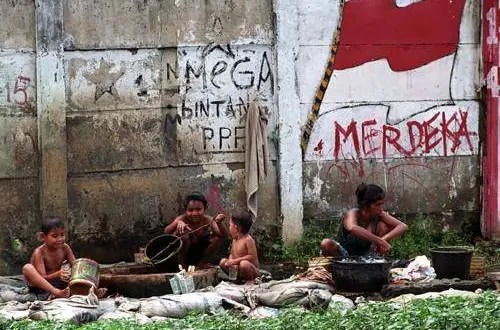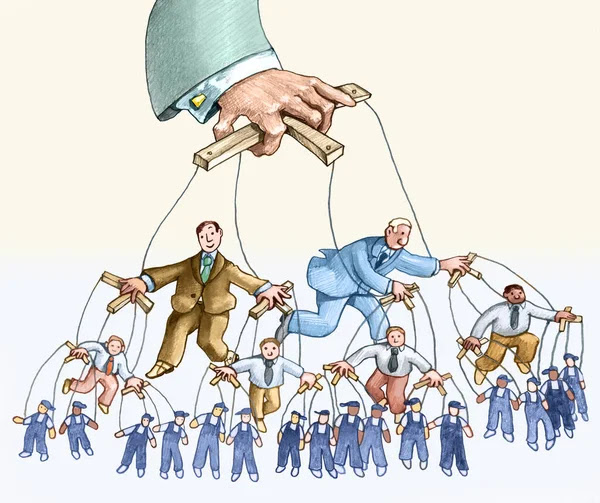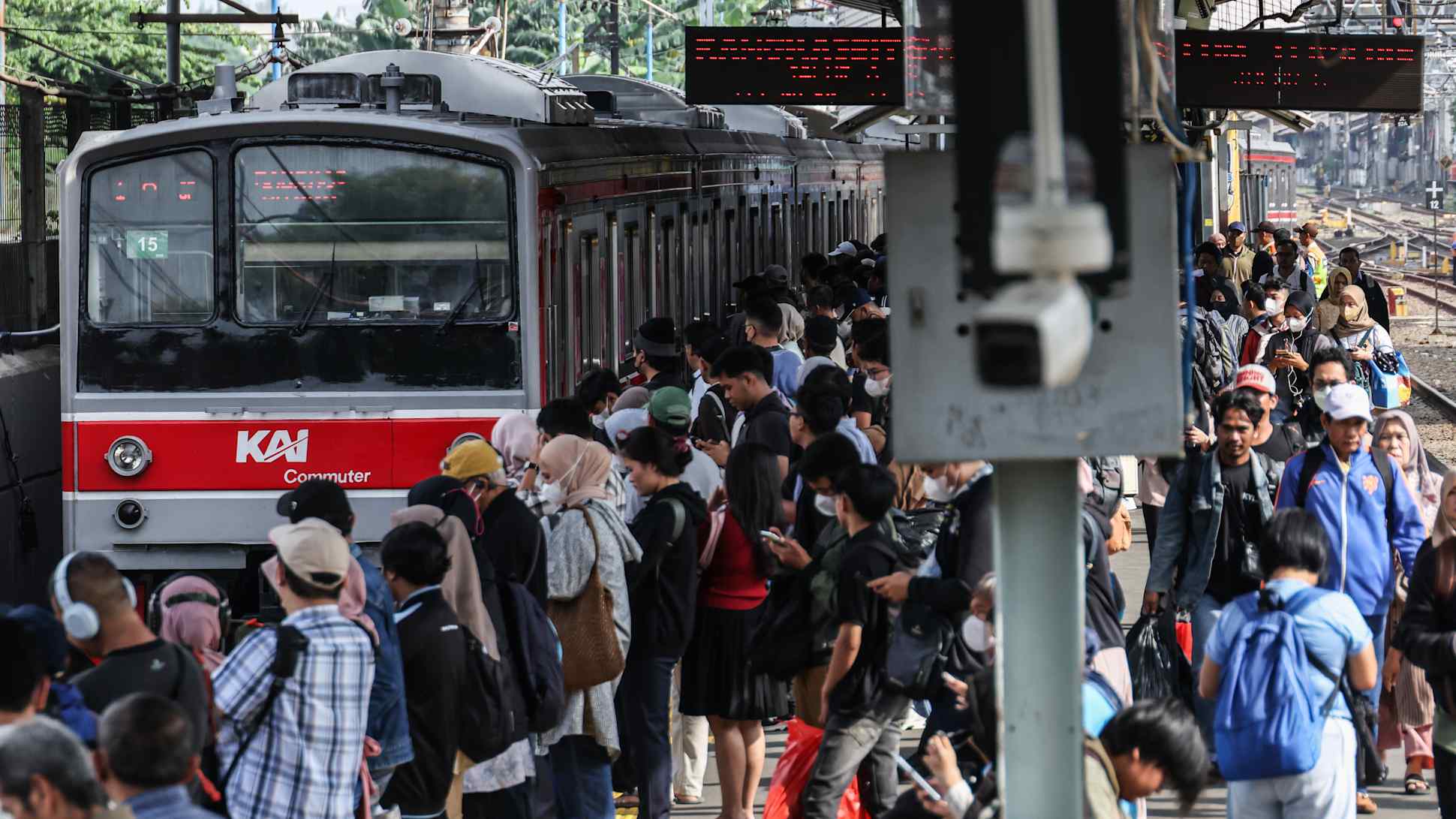

Here in Indonesia, many people feel frustrated and emotionally drained. Living costs keep rising, jobs feel less secure, public trust in institutions feels weaker, and political discussions often leave people feeling cynical instead of hopeful. Many are exhausted from watching political leaders make statements that feel disconnected from the struggles ordinary people face every day. There is a growing sense that citizens are carrying the weight of problems they did not create, while those in power appear increasingly distant from the realities of daily life.
The Dangerous Romance of “Indonesian-Style Democracy”: A Critical Reflection at 80 Years of Independence
As Indonesia approaches its 80th independence anniversary, President Prabowo Subianto's call for a unique democracy rooted in local traditions raises concerns. Critics fear this "Indonesian-style democracy" may centralize power while masking past authoritarian abuses. True democracy requires accountability, independent institutions, and recognition of the dangers posed by political elites, urging vigilance for genuine liberty.
World Can No Longer Afford War
Humanity is losing its battle against climate change, exacerbated by the Israel-Iran conflict, which generates significant CO₂ emissions and poses a threat to global stability. U.S. military involvement risks escalating tensions and undermining climate goals. Instead, focusing on peace and climate action is essential for a sustainable future for all.
Swim or Sink
In today’s volatile global market, businesses must adapt rapidly to survive. Long-standing strategies are outdated, and success depends on speed and innovation. Brands like Netflix and Apple thrive through reinvention and deep customer engagement. The focus is on resilience, collaboration, and creating differentiated value amid economic uncertainty. Swim or sink defines the new reality.
Premanism in Indonesia: Roots, Impacts, and Solutions
Premanism in Indonesia represents more than mere criminality; it reflects deep-rooted institutional failures, such as corruption and inefficiency within state systems. Street thugs exploit weak governance by extorting local vendors and businesses, with state actors often complicit. Addressing premanism requires systemic reforms, ethical governance, and empowered civic engagement to restore justice.