

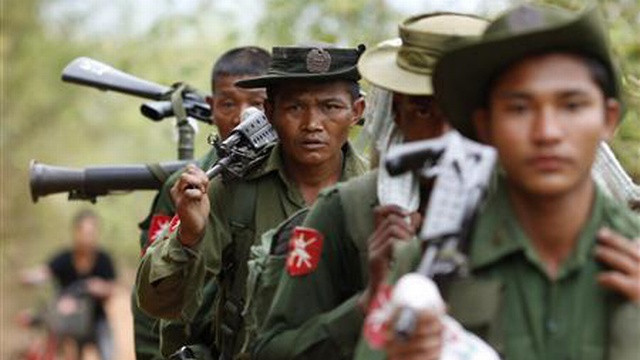
In Myanmar, a new generation is rising against a repressive military junta, challenging entrenched power structures with unwavering determination. Known as Gen Z fighters, these young individuals, many still in their teens, form the heart of the People’s Defence Force (PDF). This resistance movement emerged from the chaos following the military’s seizure of power in February 2021, which toppled a democratically elected government. In this composition, we explore their motivations, daily struggles, and the innovative strategies they employ in their fight for freedom.
When Myanmar’s military staged a coup, the streets erupted in protests. At the forefront were Gen Z—a tech-savvy and outspoken generation—who demanded the restoration of democracy. Initially adopting nonviolent resistance, they faced brutal crackdowns that left hundreds dead. For many, the peaceful route proved futile. Kyaw Min, a 21-year-old former engineering student, recalls his decision to take up arms after witnessing the killings of close friends. “Peaceful protests were met with guns,” he says. “I realized the only way to win was to fight back.”
In the jungle, new recruits undergo rigorous training under harsh conditions. Food is scarce, medical supplies are limited, and the ever-present threat of military airstrikes looms. Yet, their resilience shines through. Thazin Hlaing, a 19-year-old medic, describes her routine of tending to injured comrades while battling her fears. “Every day is a test of willpower. The jungle is harsh, but we’re learning to survive,” she shares. The shared struggles among these fighters foster deep bonds. For many, their mission transcends political freedom; it is a fight to protect their loved ones and secure a future free from oppression. “We’re more than soldiers. We’re a family,” Thazin adds.
Unlike traditional insurgencies, the PDF’s Gen Z fighters bring a tech-savvy edge to the battlefield. They employ drones for reconnaissance, use encrypted messaging apps for coordination, and leverage social media to rally global support. Their ability to improvise weaponry from limited resources and disseminate stories of resistance through viral campaigns has amplified their impact. Experts credit their technological skills with leveling the playing field. “They’re using 21st-century tools to fight a centuries-old regime,” one analyst observes. Beyond physical combat, these fighters excel in psychological warfare. Satirical memes, graffiti mocking the junta, and viral videos boost morale among the resistance while undermining the regime’s authority.
However, the price of rebellion is steep. Thousands of young fighters have been killed, imprisoned, or tortured. The junta’s scorched-earth tactics leave villages destroyed and civilians displaced. Thida Aung, a 20-year-old PDF fighter, recounts the loss of her family home, burned by soldiers in retaliation for her activism. Despite the personal toll, she remains steadfast. “We’ve lost so much, but our fight is worth it,” she declares. Civilians caught in the crossfire endure immense suffering but often provide critical support to the resistance. From food and shelter to intelligence, their contributions underscore the solidarity behind the movement.
Internationally, the plight of Myanmar’s Gen Z rebels has drawn attention, but tangible support remains limited. While sanctions have been imposed on the junta, weapons and financial aid for the PDF are scarce. Burmese expatriates tirelessly raise awareness and funds, while fighters use social media to appeal for direct aid. Observers warn that without substantial international backing, the resistance may falter. “The world’s silence risks prolonging Myanmar’s suffering,” one activist states. Despite these challenges, Gen Z’s vision for Myanmar—an inclusive federal democracy—remains a beacon of hope. Their emphasis on equal rights for all ethnic groups distinguishes them from past movements and highlights their commitment to long-term change.
As Myanmar’s Gen Z rebels navigate the brutal realities of war, their courage and ingenuity redefine what it means to fight for democracy in the modern era. They represent more than a resistance; they embody hope for a new Myanmar, uniting diverse communities under a shared goal of justice and equality. Political analysts suggest that their persistence could inspire a broader global movement for justice.
Lessons for Indonesia’s Gen Z
Indonesia’s Gen Z, growing up in a relatively stable democracy, can learn invaluable lessons from their counterparts in Myanmar. The resilience, unity, and innovative strategies of Myanmar’s youth highlight the importance of standing firm against oppression, even in the face of overwhelming odds.
One key takeaway is the role of technology in activism. Myanmar’s rebels use social media not only to expose injustices but also to connect with a global audience. Indonesian youth, with their active online presence, can harness similar platforms to advocate for social justice, environmental causes, or government accountability. The ability to amplify their voices through digital campaigns is a powerful tool in influencing change.
Another lesson is the importance of unity across diverse groups. Myanmar’s Gen Z fighters transcend ethnic and regional divisions, focusing on a shared vision for the future. In Indonesia, a country with rich cultural diversity, fostering such unity can strengthen collective efforts to address pressing societal issues. By collaborating across different communities, Indonesian youth can ensure their activism is inclusive and impactful.
The sacrifices made by Myanmar’s Gen Z also serve as a reminder of the cost of complacency. While Indonesia enjoys democracy, it is not immune to challenges like corruption, inequality, and environmental degradation. Myanmar’s struggle underscores the importance of vigilance and active participation in preserving and improving democratic values.
Finally, Myanmar’s youth demonstrate the power of hope and perseverance. Despite immense suffering, they remain committed to their cause, inspiring others worldwide. For Indonesian Gen Z, this resilience is a powerful example of how dedication can lead to meaningful change, even in the most daunting circumstances.
The story of Myanmar’s Gen Z rebels is both a cautionary tale and an inspiration. As Indonesia’s youth navigate their own challenges, they can draw from these lessons to become catalysts for positive change in their society. Together, they hold the potential to shape a future defined by justice, equality, and progress.
