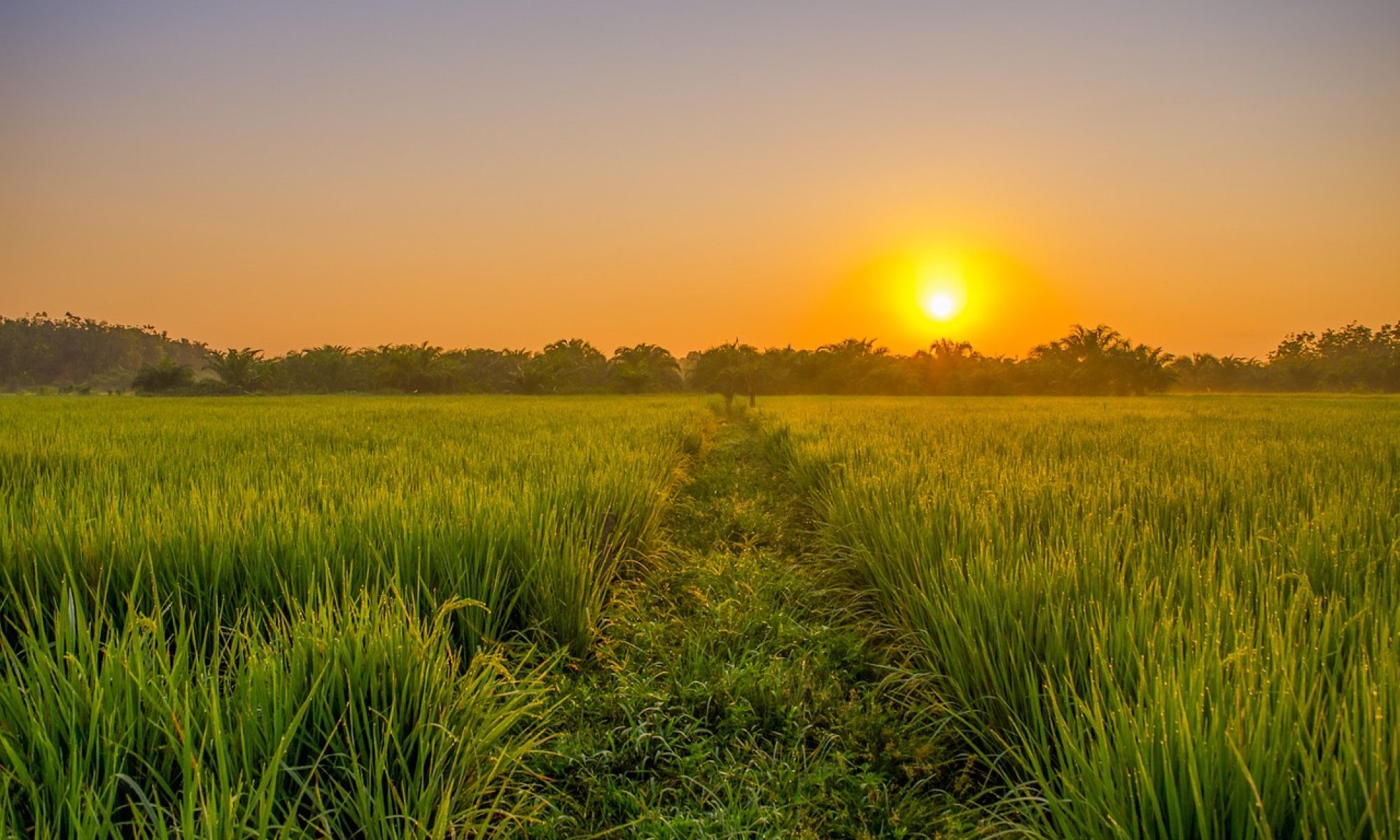

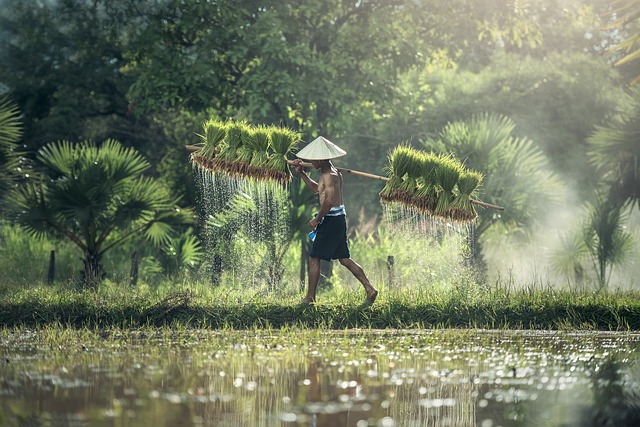
Indonesia, with its sprawling archipelago of over 17,000 islands, is a nation renowned for its immense biodiversity and cultural richness. The rainforests of Borneo, the coral reefs of Raja Ampat, and the volcanic mountains of Java are just a few examples of the country’s extraordinary ecosystems. These natural wonders have not only shaped the environment but also the cultures that thrive within them. Through the lens of ecological anthropology, Indonesia offers a unique perspective on how human societies and their environments are intertwined. This field helps us understand how indigenous communities in Indonesia have lived in close relationship with their surroundings for centuries, using traditional knowledge to maintain ecological balance.
The Deep Connection Between Culture and Nature
Indonesia’s indigenous communities have developed a profound understanding of their local environments, with cultural practices closely aligned with the rhythms of nature. For instance, the Dayak people of Borneo have practiced swidden agriculture for generations, a method where small patches of forest are cleared for farming and left to regenerate over time. This practice, though often criticized by outsiders for contributing to deforestation, has actually allowed the land to recover and maintain its fertility over the long term. The key to the sustainability of swidden agriculture lies in the careful rotation of land, ensuring that no area is overexploited, a principle deeply rooted in Dayak traditions.
Similarly, the Toraja people in Sulawesi have developed complex water management systems to cultivate rice in the region’s mountainous terrain. These terraced rice fields, combined with traditional rituals and respect for the land, have allowed the Toraja to sustainably manage resources while maintaining a deep spiritual connection to the land. These examples demonstrate that ecological knowledge and cultural traditions are often inseparable in indigenous communities, where practices are passed down through generations and are vital for both survival and cultural identity.
The Growing Threats to Traditional Knowledge
However, this intimate relationship between culture and environment is increasingly under threat. In recent decades, rapid industrialization, deforestation, and large-scale agricultural projects have disrupted the delicate balance that indigenous communities have maintained for centuries. Palm oil plantations, in particular, have become a driving force behind deforestation in Indonesia, with vast tracts of forest cleared to make way for monocultures that replace complex ecosystems. The destruction of these forests has not only led to the loss of biodiversity but has also displaced indigenous peoples who depend on the land for their livelihoods.
These modern pressures on traditional lands have created a difficult situation for indigenous communities. Many now find themselves in conflict with large corporations and government entities over land rights and resource use. As these communities lose access to their ancestral territories, they face the erosion of the knowledge systems that have sustained their cultures and environments for centuries. Without a place to practice their traditions and access the resources they need, the cultural and ecological balance that once existed is rapidly vanishing.
The Role of Ecological Anthropology in Conservation
Ecological anthropology plays a crucial role in shedding light on the challenges faced by indigenous communities in Indonesia. By examining the ways in which people interact with their environment, this field helps us understand the value of traditional ecological knowledge and its potential to inform modern conservation efforts. Indigenous practices, often dismissed as outdated or inefficient by outsiders, hold valuable insights into sustainable resource management. These practices, grounded in centuries of experience and observation, can offer solutions to the environmental crises we face today.
For example, in areas like Borneo and Sumatra, indigenous communities have long practiced sustainable hunting and fishing methods that are directly tied to the natural cycles of the land and sea. These methods, such as regulated hunting seasons and the protection of certain species during breeding periods, help maintain biodiversity and ensure that resources are not overexploited. By understanding and respecting these traditional practices, we can create more effective conservation strategies that work in tandem with local knowledge rather than imposing top-down solutions that may not align with the realities of local ecosystems.
Moving Towards a More Inclusive Conservation Model
The growing recognition of indigenous knowledge in conservation circles is a step in the right direction, but much work remains to be done. In Indonesia, integrating traditional ecological knowledge into national policies and conservation strategies could pave the way for more sustainable and equitable environmental practices. The challenge lies in balancing modern development with the need to protect the land and the rights of the people who have lived on it for centuries. By acknowledging the value of indigenous knowledge systems, we can create a conservation model that is inclusive, sustainable, and sensitive to the cultural dynamics of local communities.
One potential path forward is through the promotion of community-based conservation efforts. In this model, local communities are not just passive recipients of conservation policies but active participants in the management of their natural resources. This approach has the potential to create more sustainable solutions to environmental problems, as communities are deeply invested in the health of their local ecosystems and have a vested interest in maintaining them for future generations.
Additionally, eco-tourism offers a promising way to create economic opportunities for indigenous communities while simultaneously promoting conservation. By developing tourism that respects indigenous cultures and ecosystems, there is potential to create a model of sustainable development that benefits both people and the environment. Responsible eco-tourism can provide a source of income that allows indigenous communities to maintain their cultural traditions while protecting their land from exploitation.
The Path Forward: Integrating Tradition and Innovation
As Indonesia faces the challenges of deforestation, climate change, and industrial expansion, ecological anthropology provides valuable insights into how we can navigate these issues in a way that respects both the environment and the people who depend on it. By integrating traditional ecological knowledge with modern conservation science, Indonesia has the opportunity to create a more sustainable future—one where both cultural heritage and biodiversity are preserved.
The future of Indonesia’s ecosystems and indigenous cultures depends on finding a way to balance development with sustainability. While modern industries continue to encroach on the land, there is still hope that through collaboration between indigenous communities, conservationists, and policymakers, we can forge a path forward that ensures the survival of both people and the planet. Ecological anthropology offers us the tools to understand and navigate this delicate balance, allowing us to draw on the wisdom of the past to protect the future.
Indonesia’s ecological anthropology reveals the deep and intricate relationships between culture, community, and the environment. Indigenous peoples have long developed sustainable ways of life that are rooted in a deep understanding of the land and its ecosystems. However, these traditions are now under threat as industrialization and deforestation continue to disrupt both the environment and the communities that depend on it. By recognizing and integrating traditional ecological knowledge into modern conservation efforts, Indonesia has the potential to preserve its unique biodiversity and cultural heritage. In a world facing unprecedented environmental challenges, the lessons from Indonesia’s indigenous communities offer a valuable blueprint for a more sustainable future—one where people and nature coexist in harmony.
