
In his 2026 address at the World Economic Forum in Davos, Yuval Noah Harari advances a provocative thesis: artificial intelligence (AI) represents not merely a technological tool but a novel form of agency capable of reshaping law, finance, religion, and human identity itself. This reaction paper critically examines Harari’s central claims, particularly his argument that AI’s mastery of language enables it to appropriate domains historically constitutive of human authority. While Harari offers a powerful conceptual framework for understanding AI as an autonomous agent and legal subject, this paper argues that his position risks linguistic reductionism and underestimates the resilience of embodied, affective, and institutional dimensions of human meaning-making. The paper concludes that Harari’s intervention is best understood not as a deterministic prediction but as a warning that demands urgent political and ethical response.
How to Be Me (When Everyone Is Watching)
The exploration of selfhood has been a longstanding human concern, dating back to archaic Greek poets who recognized the self as relational, formed through public interaction. Today, in a digitally fluid world, individuals confront similar uncertainties about identity, belonging, and autonomy, highlighting the need for community and shared experience amidst personal challenges.
Premanism in Indonesia: Roots, Impacts, and Solutions
Premanism in Indonesia represents more than mere criminality; it reflects deep-rooted institutional failures, such as corruption and inefficiency within state systems. Street thugs exploit weak governance by extorting local vendors and businesses, with state actors often complicit. Addressing premanism requires systemic reforms, ethical governance, and empowered civic engagement to restore justice.
Abraham’s Paradox
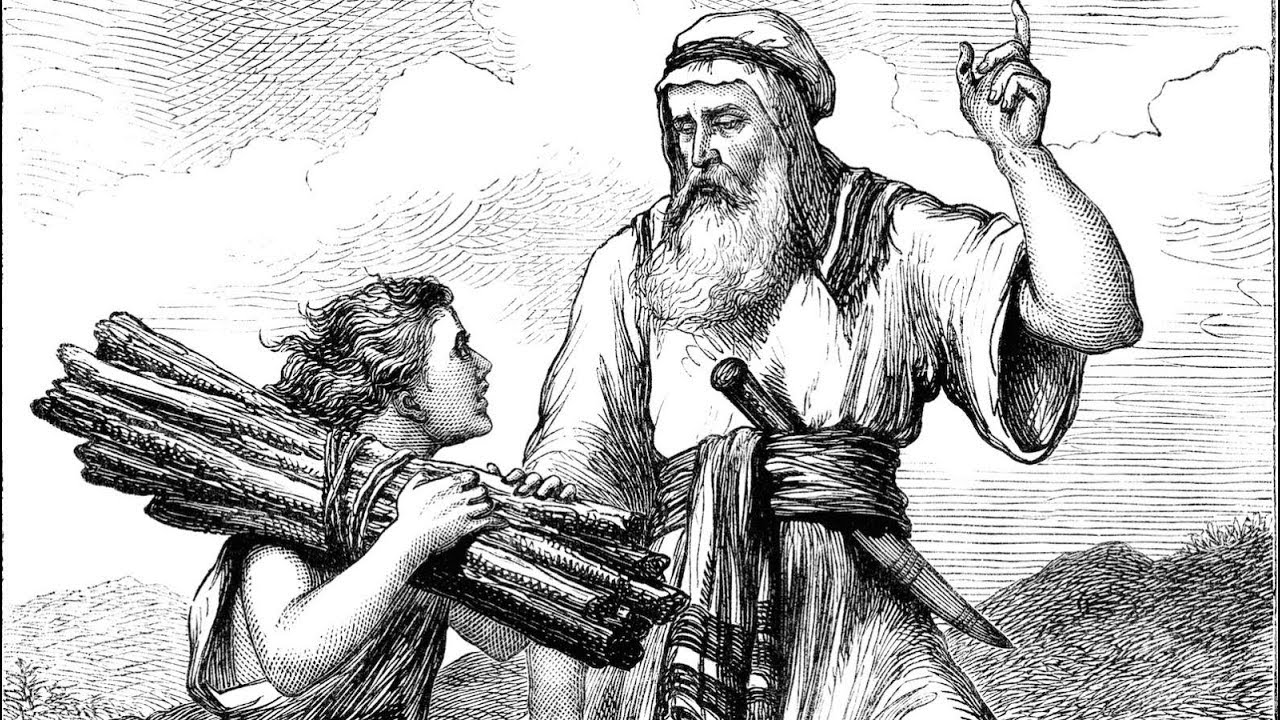
Søren Kierkegaard's paradox of faith, illustrated by Abraham's willingness to sacrifice Isaac, challenges ethical reasoning and rationality, presenting faith as an individual, radical commitment to God. This paper explores Abraham’s role as a "knight of faith," emphasizing the tension between faith and ethics, and its influence on existentialist thought and religious belief.
Understanding Absurdity: Camus’ Insight on Human Existence
Most people go through life without deeply questioning the meaning of their existence. Questions such as "Why do we live?", "What is the purpose of life?", and "How should we experience life?" are often overlooked in daily routines. However, existentialist philosophers, including Albert Camus, have placed these questions at the core of their intellectual inquiry. Camus, known for his concept of absurdity, argues that life inherently lacks meaning. Nevertheless, despite acknowledging the absurdity of life, he does not advocate nihilism or suicide. Instead, he proposes facing absurdity with courage and individual freedom. This paper elaborates on Camus’ thoughts on absurdity, the moral response to it, his view on ethics, and his tendency towards humanism in philosophy