
Mudik is an Indonesian tradition embodying the journey of memory, identity, and belonging. Each year, millions return home, like Robertus, who undertakes a 600-kilometer ride to reconnect with his roots. This journey represents not just physical travel but also existential reflection, filial duty, and spiritual renewal, emphasizing the importance of home and family.
Abraham’s Paradox
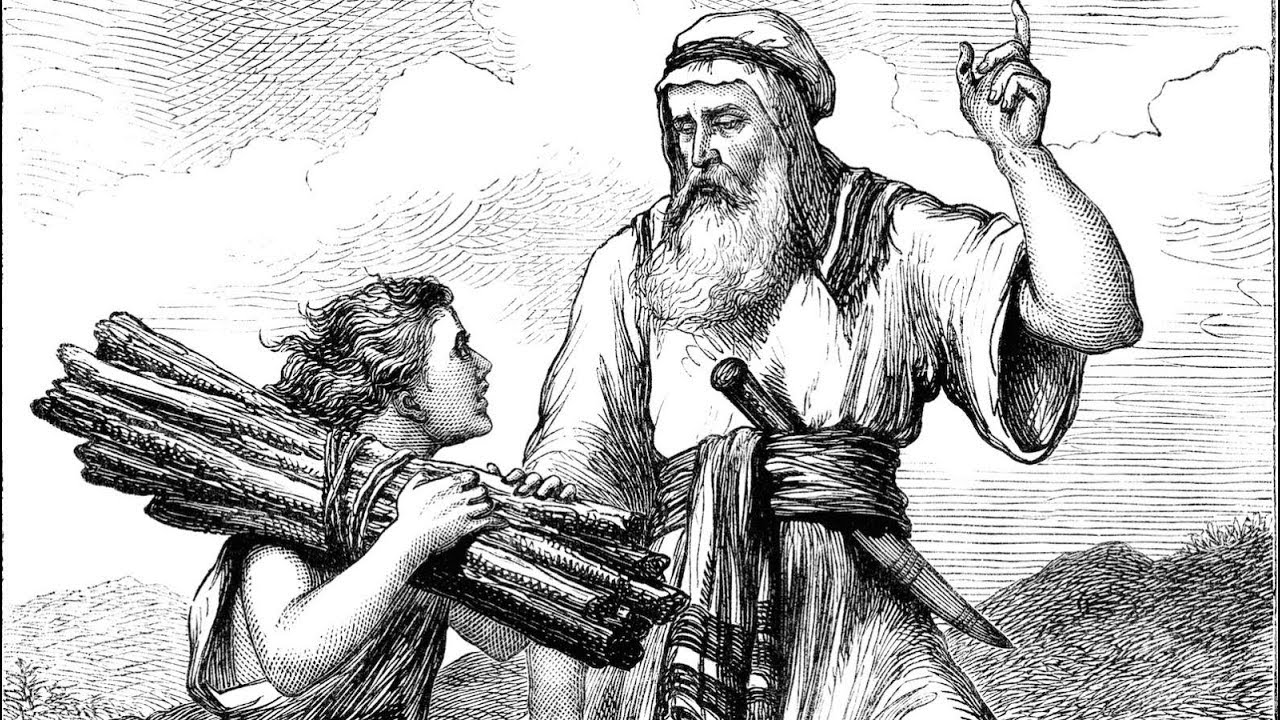
Søren Kierkegaard's paradox of faith, illustrated by Abraham's willingness to sacrifice Isaac, challenges ethical reasoning and rationality, presenting faith as an individual, radical commitment to God. This paper explores Abraham’s role as a "knight of faith," emphasizing the tension between faith and ethics, and its influence on existentialist thought and religious belief.
Understanding Absurdity: Camus’ Insight on Human Existence
Most people go through life without deeply questioning the meaning of their existence. Questions such as "Why do we live?", "What is the purpose of life?", and "How should we experience life?" are often overlooked in daily routines. However, existentialist philosophers, including Albert Camus, have placed these questions at the core of their intellectual inquiry. Camus, known for his concept of absurdity, argues that life inherently lacks meaning. Nevertheless, despite acknowledging the absurdity of life, he does not advocate nihilism or suicide. Instead, he proposes facing absurdity with courage and individual freedom. This paper elaborates on Camus’ thoughts on absurdity, the moral response to it, his view on ethics, and his tendency towards humanism in philosophy