
Adapting to Market Volatility: How Businesses Like Aice, Coca-Cola, and Nike Stay Ahead

Volatility in the business environment reflects rapid changes in market conditions, driven by factors like consumer trends and technological advancements. Companies must remain agile and innovative to succeed. Investing in R&D, enhancing supply chains, and fostering a collaborative workforce are essential for thriving amidst uncertainty while adapting to evolving consumer preferences and market dynamics.

The Middle Class Dilemma: Overburdened and Overlooked

Indonesia's middle class, constituting over 66% of the population, is burdened by high taxes and rising living costs amid stagnant wages. While essential for economic growth, they face policies favoring the elite or underprivileged. Without relief, increasing financial strain risks economic instability, highlighting the need for fairer government policies and support initiatives.

The Role of Love in Today’s Global Leadership Challenges

Valentine's Day highlights the need for compassionate leadership in a world facing severe crises, including global conflicts, economic inequality, and climate negligence. Current leaders often prioritize self-interest and corruption, neglecting their duties. In contrast, figures like Pope Francis embody true moral authority, promoting unity, responsibility, and justice, emphasizing that love should guide governance.

Unlocking the Power of Aha Moments

The "aha" moment is a sudden insight that leads to problem-solving and fresh perspectives, distinct from gradual knowledge accumulation. It occurs during relaxed states when the brain reorganizes information subconsciously. Curiosity and stepping away can enhance these moments, illustrating the creative potential of the human mind and the importance of mental downtime for breakthroughs.

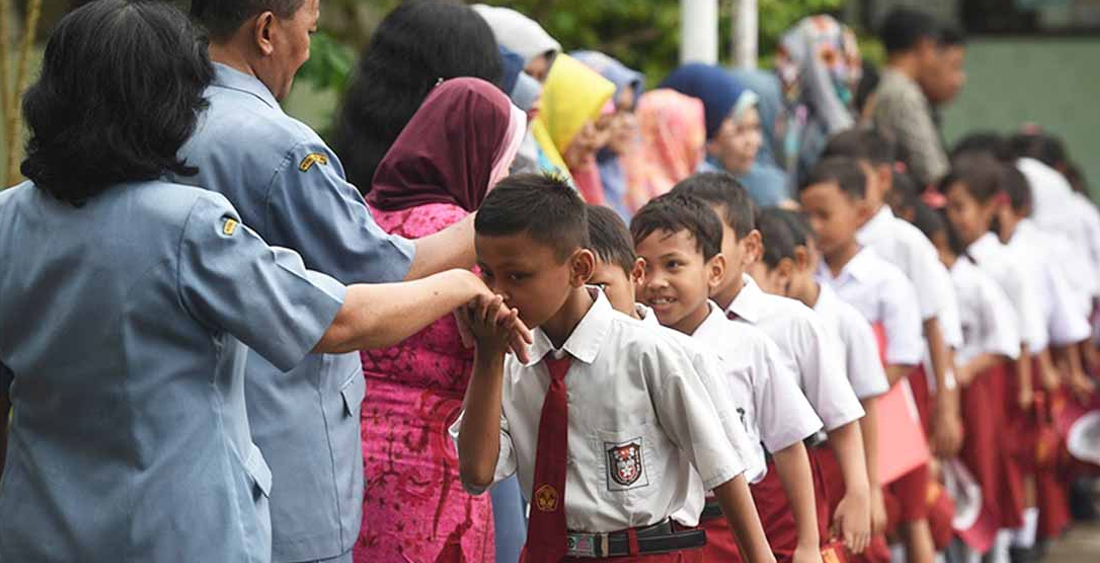
Reevaluating Hand-Kissing in Modern Indonesia

In Indonesia, hand-kissing, a traditional gesture of respect for elders, faces scrutiny due to health risks associated with disease transmission. Hygiene awareness heightened post-pandemic suggests alternative, non-contact greetings can convey respect effectively. While maintaining this custom for parents is advised, broader abandonment reflects evolving values in hygiene and public health.