

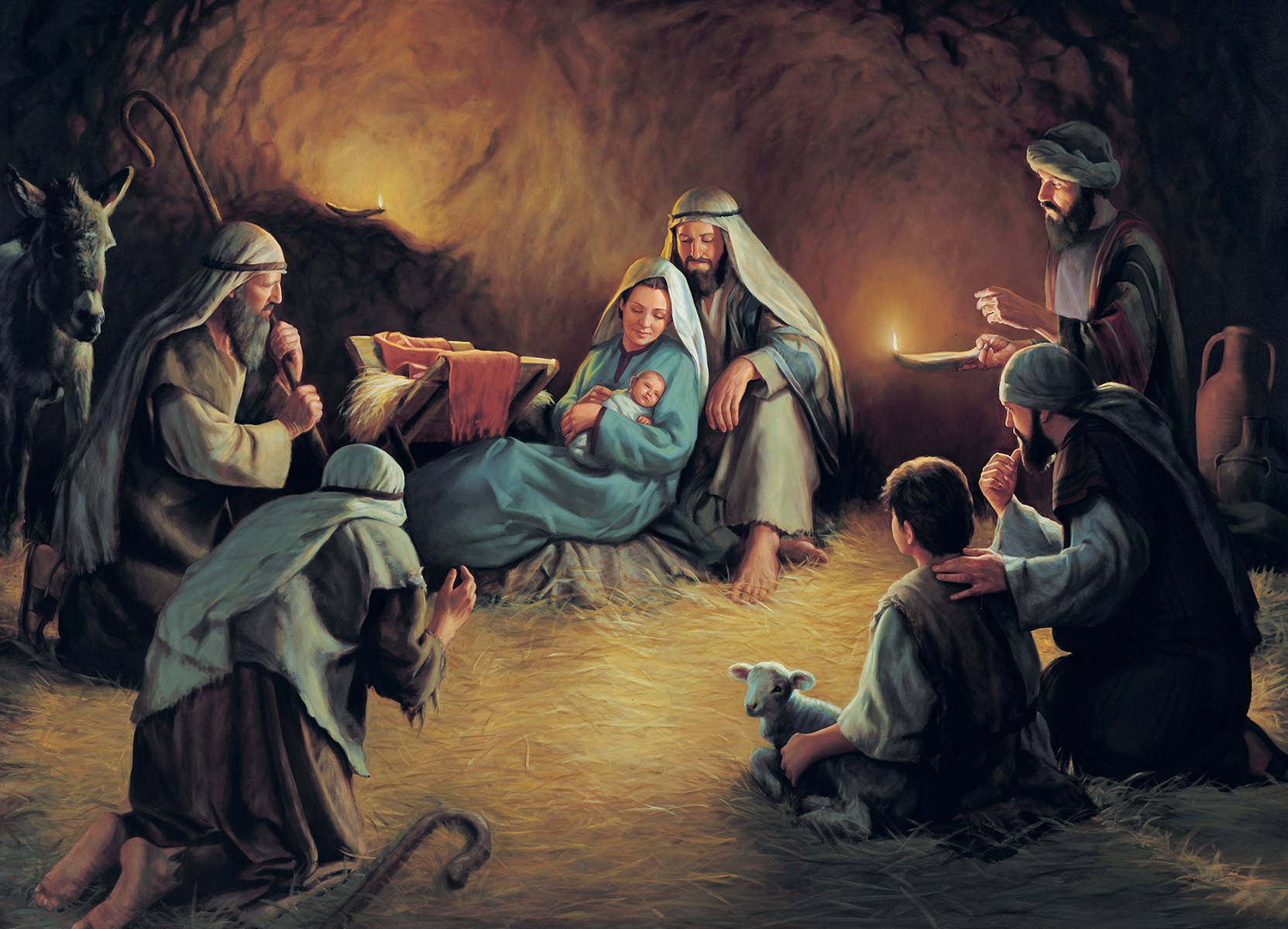
“Today, in the town of David, a Savior has been born to you; He is the Messiah, the Lord” (Luke 2:11). This extraordinary announcement was made by angels to shepherds tending their flocks at night. The message was not only a declaration of hope but a life-changing moment for those who heard it. Upon receiving the news, the shepherds did not hesitate. They immediately set out, leaving their sheep behind, and exclaimed, “Let us go to Bethlehem now….” Their determination and sense of urgency led them to the humble birthplace of Jesus, where they found Him lying in a manger, just as the angels had said.
The shepherds, in their simplicity and lowly status, are a profound image of God’s inclusive love. They were neither scholars nor influential figures in society; in fact, they were often marginalized and overlooked. Despite this, they were the first to receive the joyful news of the Savior’s birth. This divine choice underscores an important truth: God’s salvation is for everyone, regardless of social standing, wealth, or education. The shepherds’ role in this story highlights how God values humility and openness of heart over worldly credentials.
Their reaction to the angels’ message is equally noteworthy. They did not doubt or question the news, nor did they delay their response. Instead, they acted with urgency and faith. This eagerness to seek Jesus and their willingness to leave everything behind serve as an example for all believers. In a world filled with distractions and obligations, it is easy to procrastinate or hesitate when responding to God’s call. Yet, the shepherds remind us of the importance of prioritizing our spiritual journey and making room in our lives to encounter Christ.
The story also invites us to reflect on the nature of Jesus’ birth. Born in a manger, surrounded by animals, Jesus entered the world in the most humble of circumstances. This setting emphasizes God’s solidarity with the poor and the marginalized. It challenges us to reconsider our own values and priorities. Are we seeking Jesus in the grandeur of worldly success, or are we willing to find Him in the simplicity of our everyday lives? The shepherds’ journey to the manger encourages us to look beyond appearances and recognize the presence of God in unexpected places.
Furthermore, the shepherds’ response did not end with their encounter with Jesus. After witnessing the Savior, they glorified and praised God, sharing the good news with others. Their joy and gratitude became a testimony of their faith. This aspect of the story reminds us that encountering Christ is not a private experience to be kept to ourselves. Instead, it is a transformative event that compels us to share God’s love and salvation with the world. Like the shepherds, we are called to be witnesses of Christ’s presence, spreading the light of hope to those around us.
In our own lives, the story of the shepherds invites us to examine our response to God’s call. Are we, like the shepherds, ready to rise and seek Him with urgency and faith? Do we have the humility to accept that God often works through ordinary people and circumstances? And are we willing to share the joy of salvation with others? These are the questions we must ask as we reflect on this narrative of hope and grace.
As we celebrate the birth of Christ, may we learn from the shepherds’ example. Let us be swift in our response to God’s invitation, humble in our hearts, and generous in sharing His love. In doing so, we too can journey to Bethlehem, encountering the Savior who brings eternal joy and peace to all who seek Him.
